What a bartender does
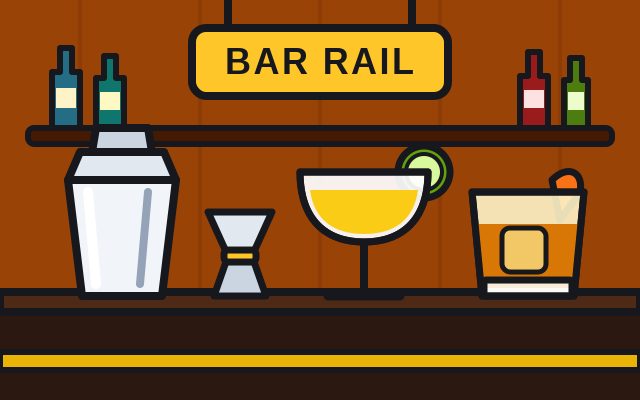
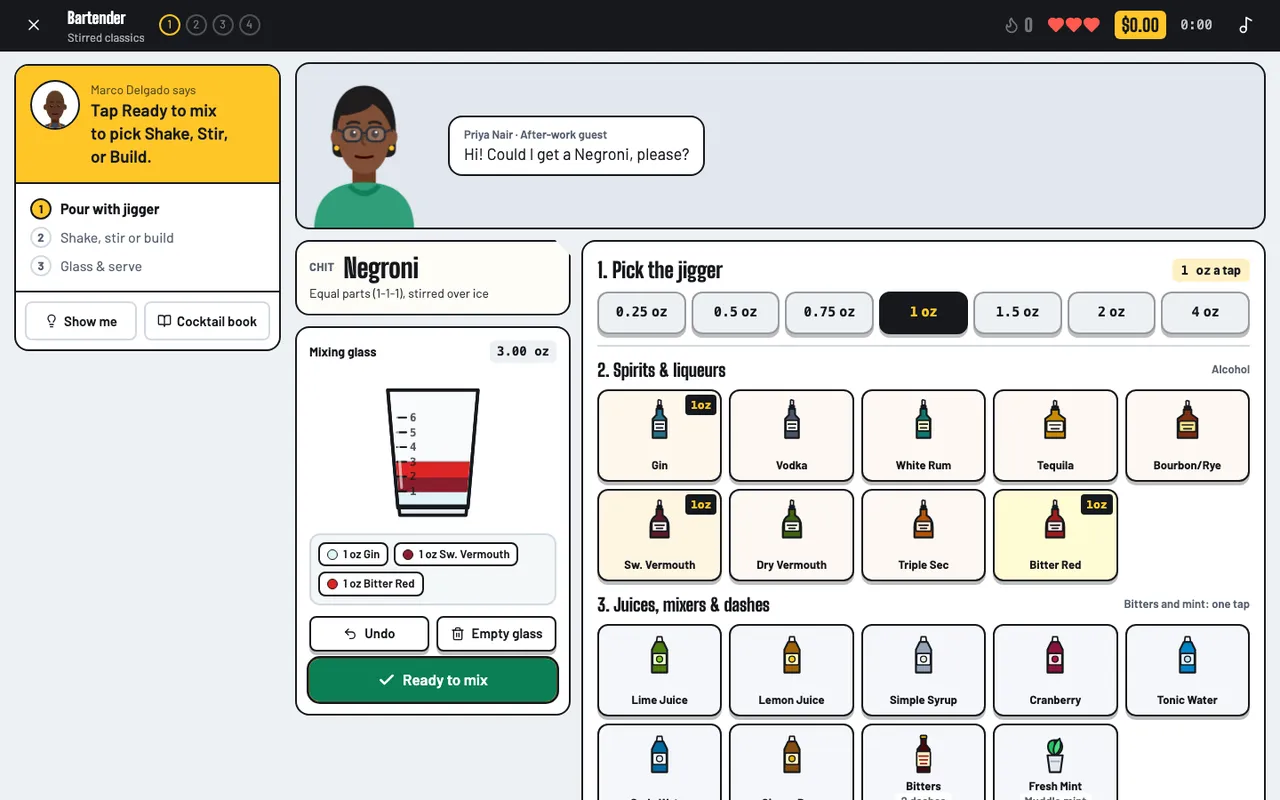
A bartender mixes and serves alcoholic and non-alcoholic drinks directly to guests at a bar or through service tickets for dining tables. Behind the rail, you measure spirits, juices, syrups, and mixers, choose the right chilling method and glassware, and keep the station stocked and clean.
Just as important as mixing cocktails is responsible alcohol service: checking IDs to verify guests are at least 21, tracking standard drinks across beers, wines, and spirits, protecting zero-proof mocktail orders, and calmly refusing service to visibly intoxicated guests.
- Measure and mix classic and house cocktails accurately with a jigger or calibrated pour
- Apply shake, stir, and build-over-ice techniques based on drink ingredients
- Verify guest IDs for 21+ age, expiration dates, and photo match
- Monitor guest safety, offer water and food, and refuse alcohol service when needed
- Restock ice, glassware, garnishes, and bottles before and during busy rushes
What a shift is like
Opening a bar starts long before the first guest sits down: slicing limes and lemons, checking chilled glassware, filling ice wells, and confirming every bottle sits in its exact spot on the speed rail so your hands find gin, vodka, rum, tequila, and whiskey without guessing.
Service moves in waves—quiet early evening conversations followed by intense Friday and Saturday rushes where service tickets stack up fast. Staying calm, measuring cleanly instead of rushing sloppy pours, and keeping an eye on every guest at the rail makes the difference between chaos and a smooth night.
Skills that make a strong bartender
Consistency beats flashiness. Knowing why citrus sours get shaken, why spirit-forward classics like an Old Fashioned or Manhattan get stirred, and why carbonated mixers are always built over ice lets you learn new menus quickly.
Communication matters just as much as recipes. New bartenders who stay polite under pressure, check IDs consistently without making it awkward, and keep mocktails 100% alcohol-free earn trust from both guests and managers.
- Clean jigger measurement and steady 4-count free-pour rhythm
- Knowing the 12 core classic recipes and their glassware
- Fast, accurate 21+ ID checks and NIAAA standard drink awareness
- Calm, private communication when refusing service to intoxicated guests
How to get started as a bartender
According to the U.S. Bureau of Labor Statistics, bartenders typically need no formal educational credential and learn through short-term on-the-job training. Many bartenders start as barbacks, servers, or food runners to learn bar flow before moving behind the rail.
Each state sets the age to pour or serve alcohol; the BLS says most require bartenders to be at least 18, and many states and localities require a responsible-server course.
Pay and job outlook
According to O*NET OnLine (35-3011.00), median pay for bartenders in 2025 was $34,340 a year, or $16.51 an hour, with total earnings often varying widely by shift, venue, and tips. There were 762,600 bartender jobs in 2025.
Employment from 2025 to 2035 is projected to grow faster than average (5% to 6%), with about 121,200 openings each year as venues expand and existing workers move into other roles.